
Colorado voters appeared poised to reject a proposed constitutional amendment protecting access to natural gas, with unofficial election results showing the measure falling short of the 55% approval required for passage.
As of shortly before midnight Mountain time Tuesday, Amendment 82 had received approximately 46% support, with 54% of voters opposed, according to the Colorado Sun. The measure had not been officially called at the time of that report.
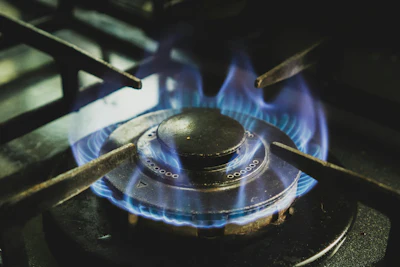
The proposal would add language to Colorado's constitution establishing a right to purchase and sell natural gas for cooking and heating in homes and businesses. Supporters argued the amendment was necessary to protect consumer access to natural gas as state and local governments pursue policies intended to reduce building emissions and encourage electrification.
Advance Colorado, the organization behind the initiative, maintained that natural gas access was increasingly threatened by environmental regulations and efforts to transition buildings toward electric heating and appliances.
Opponents, including a coalition led by Conservation Colorado, argued the amendment could have broader legal consequences. They warned that constitutionally protecting natural gas transactions could give utilities and distributors additional grounds to challenge state and local environmental regulations.
The debate reflects a larger policy question facing states and municipalities across the country: how much authority governments should have to regulate fossil fuel use in buildings as they pursue emissions reductions and electrification.
For natural gas utilities, building developers, and energy policymakers, the amendment's potential implications extended beyond consumer appliance choices. Constitutional protections for natural gas access could have complicated future regulatory decisions affecting building energy systems and utility service.
If Amendment 82 fails, Colorado's existing regulatory framework would remain in place, leaving future decisions about natural gas infrastructure, building electrification, and emissions standards to lawmakers and regulators, subject to existing law.
The result would also illustrate the difficulty of securing constitutional protections for a particular energy source, even as natural gas remains an important component of residential and commercial energy use.