
Maintaining America’s aging water infrastructure is becoming increasingly difficult. Even scarier, the people keeping our water system up and running are getting closer and closer to retirement every year.
According to a report from the U.S. Environmental Protection Agency (EPA), 33% of the water workforce is eligible to retire within the next decade.
The clock is ticking.
Well aware of this pressing problem, waterworks associations across the U.S. have launched efforts to recruit younger generations to join the workforce.
One important effort to note is the EPA’s Water Sector Workforce Initiative.
What is the Water Sector Workforce Initiative?
Launched in 2020, the Water Workforce Sector Initiative aims to provide federal leadership, collaborate with partner organizations, and encourage younger generations to join the water industry.
In that time, the organization has invested more than $40 million through its Innovative Water Infrastructure Workforce Development Program to encourage the next generation to pursue careers in water infrastructure.
It is focusing its efforts on five specific projects:
- Internships for water utility trades.
- Education programs for students from elementary school through high school.
- Industry development collaborations to hire qualified candidates.
- Cross-training programs, leadership development, and mentoring for careers in the water sector.
- Dedicated education and training programs for water workers that support public health.
Beyond funding, the EPA has hosted a series of webinars to help local utilities address their own workforce challenges, from bridging the gap between utilities and schools to technology adoption in the water sector.
The sessions have all been recorded, and interested professionals can watch them on the EPA’s website.
How current water professionals can get involved
Perhaps the most important part of this program is that it encourages water professionals to transfer their knowledge onto the next generation. After all, the best people to train the next generation of water professionals are the ones currently holding these positions.
To ensure they’re an active participant in educating the rising workforce, industry professionals can work with EPA in a variety of ways.
- Apply for EPA grants. They can use funding to support and/or create training programs for future water operators and technicians.
- Support current nonprofit training programs. By creating internships and apprenticeship programs, water professionals can provide students with hands-on experience.
- Get involved with the Water Environment Foundation (WEF) and American Waterworks Association (AWWA). These EPA partner organizations launched the Work for Water Campaign, a place for students and jobseekers to learn more about careers in water from the people currently working in it.
While the water industry’s future may look a bit hazy, collaborative efforts like these ensure our current system remains resilient and grows stronger with time.
Philadelphia’s partnership between PowerCorpsPHL and Philadelphia Water Department (PWD) is one success story to glean from.
PowerCorpsPHL x Philadelphia Water Department
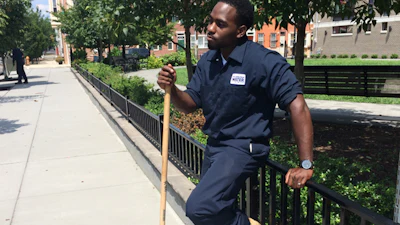
Started in 2013, PowerCorpsPHL is a nonprofit organization that connects underserved people with jobs to advance the Philadelphia community. Focused on young adults aged 18 to 30 who aren’t interested in higher education, the nonprofit offers hands-on training opportunities that apply directly to the industry.
 Devin Hamilton
Over the last eight years, the joint program between PowerCorpsPHL and the PWD has supported more than 800 unemployed and underemployed Philadelphians to succeed in the water workforce. It’s split into three phases:
- Phase 1: PowerCorpsPHL recruits participants from the general public, community partners, the court system including referrals from judges, and the district attorney’s office.
- Phase 2: A full-time program that builds job-readiness skills in a four-month span by enhancing green infrastructure.
- Phase 3: Working with PWD for 19 to 24 weeks. Participants who complete Phase 3 of the program can apply and interview for positions within the PWD.
“We’re evaluating participants at every phase of the program,” Hamilton said. “People who meet standards surrounding attendance and performance qualify for an apprenticeship with the PWD.”
Every year, 20 people enroll in the water program — five of them end up working for the PWD on average. This spans from green infrastructure projects to maintenance engineering roles. The program continues to evolve as the partnership grows stronger, and those who don’t go directly into the PWD are connected to other employment opportunities in the public and private water sectors.
“We’ve been co-designing the water program based on PWD’s needs,” Hamilton said.
When the program was first finding its footing, it focused specifically on green infrastructure projects and stormwater operations. Over the years, it has extended into other areas.
The water careers are there, but what about growth opportunities after employment? PowerCorpsPHL has that covered, too.
After participants complete the program and start working for the PWD, they can take classes at the Philadelphia Community College and Orleans Technical Institute to get additional technical training. This allows them to get promoted to higher-level positions within the PWD.
America’s water workforce is dwindling, and the clock continues to tick. As EPA ramps up its workforce initiative and partnerships like PowerCorpsPHL’s grow stronger, the future looks a little bit brighter.